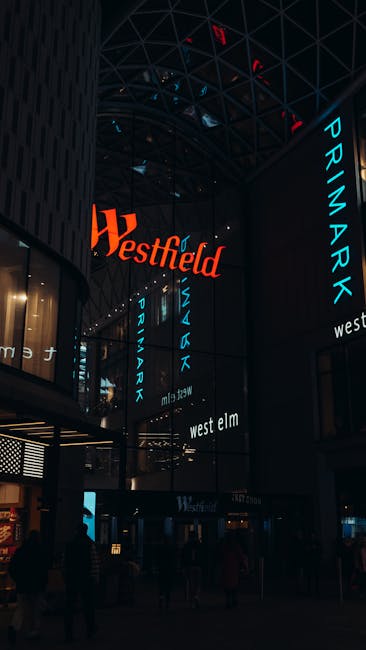
Stratford Newham rubbish collection guide for Westfield and E15
If you live, work, manage a property, or run a business around Westfield Stratford City and the wider E15 area, rubbish collection can feel oddly more complicated than it should. One minute you are clearing a flat after a move, the next you are dealing with bulky packaging, broken furniture, builders' waste, or just too much general rubbish for the usual bin collection. This Stratford Newham rubbish collection guide for Westfield and E15 brings the whole picture together in plain English so you can make a sensible choice without second-guessing every step.
To be fair, most people do not want a lecture on waste streams. They want to know what can be removed, what needs special handling, what happens on the day, and how to avoid getting stuck with half-filled bags on the pavement at 8pm. So that is what this guide covers. It explains the practical side of rubbish collection in Stratford and Newham, the common local scenarios, the difference between a basic collection and a fuller clearance service, and the small details that make life easier.
If you are comparing options, you may also find it useful to review the main services at House Clearance Newham and the site's accessibility statement if you need information about using the website more comfortably.
Table of Contents
- Why Stratford Newham rubbish collection guide for Westfield and E15 Matters
- How Stratford Newham rubbish collection guide for Westfield and E15 Works
- Key Benefits and Practical Advantages
- Who This Is For and When It Makes Sense
- Step-by-Step Guidance
- Expert Tips for Better Results
- Common Mistakes to Avoid
- Tools, Resources and Recommendations
- Law, Compliance, Standards, or Best Practice
- Options, Methods, or Comparison Table
- Case Study or Real-World Example
- Practical Checklist
- Conclusion
- Frequently Asked Questions
Why Stratford Newham rubbish collection guide for Westfield and E15 Matters
Westfield and the wider E15 area are busy, dense, and always on the move. That is part of the appeal, but it also means waste builds up fast. Flats turn over quickly, deliveries arrive in waves, shops generate packaging all day, and renovation projects seem to start just as the bins are already full. If you do not have a plan, rubbish becomes one of those small problems that turns into a bigger headache by Friday.
This matters for three simple reasons. First, there is the obvious practical side: clutter is awkward, unsanitary, and a nuisance. Second, there is the appearance of the area. Anyone walking past a pile of black bags or an overflowing skip sees it immediately. Third, there are compliance and safety issues. Mixed waste left in the wrong place can attract complaints, trip hazards, or worse, and nobody wants that, especially in shared residential blocks or commercial frontages.
There is also a local rhythm to consider. Stratford has a mix of high-rise living, retail units, student lets, family homes, and construction activity. That means no single rubbish solution fits everybody. A landlord doing a flat turnaround needs a different approach from a cafe near the shopping centre, and a homeowner clearing a loft has different needs again. This guide is built around those realities rather than generic advice.
Practical takeaway: The best rubbish collection plan in Westfield and E15 is the one that fits your waste type, your building access, your timing, and your tolerance for hassle. If those four pieces line up, the whole job gets much easier.
If you are dealing with a larger clean-up rather than just a few bags, a dedicated service such as house clearance in Newham can be a better fit than trying to piece things together yourself.
How Stratford Newham rubbish collection guide for Westfield and E15 Works
At a basic level, rubbish collection means arranging for unwanted items to be removed from your property, business, or building and taken away for sorting, reuse, recycling, or disposal where appropriate. In practice, there are a few different ways this happens in Stratford and E15.
The first layer is standard local council collection. That usually covers household waste and recycling at the normal cadence. It works well for regular living, but not for bulky items, renovation rubble, or anything that has outgrown the weekly bin routine. The second layer is private collection or clearance, which is the route many people choose when they need speed, flexibility, or help with lifting and loading. The third layer involves specialised handling for certain waste types, such as electricals, hazardous materials, or large quantities of construction waste.
Most local rubbish collection jobs follow a familiar pattern:
- You identify the waste type and volume.
- You decide whether you need standard collection, bulky item removal, or a broader clearance.
- You arrange access details, timing, and any building restrictions.
- The waste is collected, loaded, and transported away.
- Reusable or recyclable material is separated where possible.
That sounds straightforward, and sometimes it is. But the details matter. A one-bedroom flat on a busy road with lift access is very different from a top-floor maisonette with no lift and awkward stair turns. Westfield's surrounding streets can be busy at peak times, and that affects parking, collection timing, and how quickly a team can complete the job.
For readers who want a broader overview of services around the area, the Newham clearance service area page is a helpful place to start. If you are focused on bigger home clearances rather than a one-off pickup, the West Ham house clearance page may also offer useful context, especially if your needs are part of a wider move or refurbishment.
Key Benefits and Practical Advantages
A good rubbish collection arrangement does more than remove clutter. It saves time, reduces stress, and helps you keep control over a situation that can otherwise spiral. In a busy part of London, that is no small thing.
Here are the main advantages people tend to notice first:
- Faster turnaround: Waste is removed in one visit instead of being dragged out over several weeks.
- Less physical strain: Heavy lifting, awkward items, and repeated trips downstairs are handled for you.
- Better presentation: Useful for landlords, agents, shopfronts, and anyone trying to keep a property looking respectable.
- Reduced risk: Fewer trip hazards, fewer overflow issues, and less chance of waste being left in the wrong place.
- More flexibility: Private collections can usually work around your schedule rather than a fixed bin day.
- Cleaner reset: A proper clearance makes it easier to clean, decorate, re-let, or simply breathe a little easier.
One thing people often underestimate is the mental relief. You know that half-done feeling when a hallway is full of old boxes, broken shelving, and bits of packaging you keep walking around? Get that removed and the room suddenly feels bigger. Quieter, even. Little things like that matter more than people admit.
For businesses, the benefits can be even more practical. A tidy stockroom, back-of-house area, or customer-facing frontage can make operations smoother and keep the place looking under control. And if you need a more complete property reset, the bereavement house clearance service is an example of a more sensitive, managed approach where care and timing matter just as much as removal.
Who This Is For and When It Makes Sense
This guide is useful for a surprisingly wide range of people. If you live or work around Stratford, Westfield, or E15, you may need rubbish collection for reasons that are very ordinary and very specific to daily life.
Typical situations include:
- Tenants clearing out before or after a move
- Landlords preparing a property for new occupants
- Homeowners tackling a loft, garage, shed, or storage room
- Shop owners dealing with packaging, shelving, or stock waste
- Office managers clearing old furniture or equipment
- Builders and decorators needing non-hazardous construction waste removed
- Families handling a large declutter after months of things piling up
It also makes sense if you are in a hurry. Maybe the letting agent has booked photos for tomorrow morning. Maybe the builder is coming back and needs the space cleared. Or maybe you just looked at the pile by the door and thought, no, not doing this bit by bit again. Fair enough.
There is a difference between can do it yourself and should do it yourself. If the waste is light, few in number, and easy to move, DIY may be fine. If the job involves bulky items, multiple floors, parking challenges, or mixed waste, getting help can be the smarter move. Honestly, sometimes it is the only move that keeps the day from turning into a mess.
If you need a general overview of what a clearance service includes, the main house clearance service page can help you judge whether a full clearance is more suitable than a collection-only job.
Step-by-Step Guidance
Here is a practical way to approach rubbish collection in Stratford and E15 without overcomplicating it.
1. Identify exactly what needs removing
Start with the actual items. Not "a bit of rubbish". That phrase causes trouble. Make a quick list: black bags, cardboard, old furniture, white goods, carpet offcuts, broken appliances, building debris, garden waste, or mixed household clutter. The more clearly you define it, the easier it is to choose the right collection method.
2. Separate what can stay from what must go
Keep useful items aside before anything is collected. If a bag contains a mix of papers, textiles, and general waste, think about whether anything should be donated, reused, or recycled first. It takes a few extra minutes and can save a lot of regret later.
3. Check access and parking
In Stratford, access can matter more than people expect. Is there lift access? Are there stairs? Can a vehicle stop nearby? Is there a loading bay, a permit issue, or time restrictions around Westfield? These small things affect timing and cost, and they can make or break how smooth the collection feels.
4. Choose the right collection type
Not all waste needs the same solution. A few bags may only need a simple pickup. A flat full of unwanted furniture may be better handled through a full house clearance. If you are clearing after a sensitive situation, a more considerate route such as compassionate house clearance may be more appropriate.
5. Confirm what is accepted
Ask what can and cannot be taken. Most people assume all waste is handled the same way, but that is not how it works. Some items need special treatment. Others may not be accepted at all without prior notice. Checking first avoids awkward surprises on the day.
6. Prepare the waste for collection
Put items in an accessible spot if you have been asked to do so, but avoid blocking fire exits, corridors, or shared entrances. In a communal building, that small bit of care keeps neighbours and managing agents happier. And trust me, that matters.
7. Make the handover simple
When the team arrives, point out the items and any access quirks. A quick, calm handover is usually better than a long explanation. If there are fragile areas, tight corners, or items that need special care, say so early.
Expert Tips for Better Results
In our experience, the best rubbish collection jobs are not the biggest ones. They are the best prepared ones. A little forethought goes a long way, especially in a place as busy as Stratford.
- Bundle similar waste together. Cardboard with cardboard, furniture with furniture, and so on. It speeds up loading and helps avoid confusion.
- Photograph the waste before booking. Even quick pictures on your phone can help explain volume and access. No need for perfection, just clarity.
- Clear the route first. Move loose rugs, door stops, or anything that could catch feet or wheels.
- Think in layers. If you are decluttering a flat, start with obvious rubbish, then bulky items, then anything you are still undecided about.
- Choose timing carefully. Midday can be easier than the school-run rush or busy retail periods near Westfield.
- Keep paperwork if relevant. If you are a landlord, agent, or business, retaining collection confirmation can be useful for your records.
Here is a small but useful reality: the job often goes faster when the person booking the collection has already walked through the property once and mentally sorted the waste into "yes", "maybe", and "definitely gone". That tiny bit of judgement can save a lot of back-and-forth.
Another tip: do not leave everything until the last minute and then assume it will sort itself out. It rarely does. If you need a broader service overview, the East Ham house clearance page is a helpful reference for adjacent local service needs and can give you a better sense of how clearances are usually structured.
Common Mistakes to Avoid
Most rubbish collection problems are not dramatic. They are small mistakes that stack up. Luckily, they are easy to avoid once you know what to watch for.
- Leaving waste types mixed together: This can slow down the collection and make disposal more complicated.
- Assuming every item is standard rubbish: Electricals, fridges, paint, and certain building materials often need separate handling.
- Forgetting access details: A locked gate, no parking nearby, or a lift that is out of service can change the whole plan.
- Blocking communal areas: In apartment buildings, this can cause complaints very quickly.
- Underestimating volume: A room that looks half-full from one angle can be more than expected once cleared out.
- Not checking timing: If you need same-day or next-day collection, say so early. Don't assume it is obvious.
A lot of people also make the mistake of treating a clearance as a simple bin run. It really is not the same thing. Once you start dealing with bulky objects, awkward access, and recycling requirements, the plan needs to be a bit more considered.
And yes, sometimes a job that should have taken one tidy afternoon turns into three trips, two arguments, and one missing screwdriver. We have all been there, or close enough.
Tools, Resources and Recommendations
You do not need specialist equipment for every collection job, but a few basic tools can make the process smoother and safer. Think of this section as the practical kit list for staying organised.
| Item | Why it helps | Best use case |
|---|---|---|
| Strong bin bags | Reduces tearing and spills | General household waste and light clutter |
| Gloves | Protects hands from dust, splinters, and rough edges | Loft clear-outs, garages, and mixed items |
| Trolley or sack barrow | Makes bulky loads easier to move | Heavy boxes, small furniture, or repeated trips |
| Marker pen and tape | Helps label items to keep, donate, or remove | Room-by-room decluttering |
| Phone camera | Useful for documenting volume and access | Quotations, landlord records, or planning |
In terms of resources, it is worth using local service pages to understand what level of support you need. For example, a specialist route like office clearance can be the right choice if your waste is commercial rather than domestic. Likewise, the rubbish removal service page is a useful reference if you are trying to compare a lighter pickup with a fuller clearance.
If you are looking for a more sensitive or structured approach to large clear-outs, especially where there are multiple rooms or mixed items, browsing the broader house clearance information can save you from booking the wrong service and having to start over. Nobody enjoys that second round.
Law, Compliance, Standards, or Best Practice
Waste handling in the UK is not something to be casual about. You do not need to become an expert in environmental legislation to arrange a collection, but you should know the broad principles. The key point is simple: waste should be handled responsibly, transferred to the right place, and dealt with by a legitimate operator where one is used.
For residents and businesses, the safest approach is to separate waste sensibly, avoid leaving items in communal areas without permission, and make sure anything collected is dealt with properly. If you are a business or landlord, record-keeping may matter more, especially where multiple clearances happen over time. Good practice often means keeping basic notes on what was removed, when, and by whom.
There are also common-sense compliance issues around fire exits, building access, and neighbour disruption. In shared blocks around Stratford and E15, these can be just as important as disposal itself. A tidy removal that respects the building rules is worth far more than a rushed one that causes a complaint.
For hazardous items or anything you are unsure about, do not guess. Ask first. That is the safest habit in almost every case. If the waste is sensitive, unusual, or part of a bereavement situation, a service such as compassionate house clearance can offer a more suitable framework for handling the job carefully.
Best practice in one line: Know what you have, keep access clear, avoid mixing problem items, and choose a service that fits the waste instead of forcing the waste to fit the service.
Options, Methods, or Comparison Table
Choosing the right rubbish collection method often comes down to speed, volume, and convenience. Here is a simple comparison to help you think it through.
| Option | Best for | Pros | Limitations |
|---|---|---|---|
| Council collection | Routine household waste and recycling | Built into local living, simple for regular use | Not ideal for bulky, urgent, or irregular waste |
| Private rubbish collection | Ad hoc waste, bulky items, quicker turnarounds | Flexible timing, often easier for busy households | Needs a quote and clear description of waste |
| Full house clearance | Large-scale decluttering, moves, end-of-tenancy work | Handles many items in one visit | May be more than needed for a small job |
| Specialist commercial clearance | Offices, shops, and workplace waste | Better suited to business needs and bulkier items | Needs accurate planning and access details |
For a lot of people in Stratford, the decision is not really about cost alone. It is about time, access, and how much of the job you want to handle yourself. If the waste is a small pile, a lighter option may be enough. If it involves stairs, heavy lifting, and multiple categories of items, the fuller service is usually the calmer choice.
That said, not every job needs a big service. Sometimes a straightforward rubbish removal arrangement is exactly right. Simple is good when simple is enough.
Case Study or Real-World Example
Here is a realistic example based on the kind of situation people often face around E15.
A tenant in a modern flat near Westfield had a short window between move-out and inventory inspection. The apartment itself was not messy, just full of awkward leftovers: two broken chairs, packaging from a flat-pack wardrobe, several bags of mixed household rubbish, and an old small appliance that had stopped working months earlier. The building had lift access, but the loading area was busy, and parking nearby was tight by late afternoon.
Instead of trying to move it all in separate trips, the tenant grouped the items by type, cleared the hallway, and flagged the access details in advance. That meant the collection could be done in one organised visit rather than dragging out over a weekend. The result was not just a clear flat; it was a calm handover. No last-minute panic, no half-finished bags by the door, no awkward apology to the agent.
What made the difference was not luck. It was preparation. A small amount of planning turned a messy end-of-tenancy moment into something manageable. And that is really the point of good rubbish collection in Stratford: less drama, more control.
For similar situations involving full property clearing, the West Ham house clearance service page can be useful if your requirements sit somewhere between one-off pickup and full-scale clearance.
Practical Checklist
Use this checklist before arranging rubbish collection in Westfield or E15. It keeps the process tighter than trying to remember everything on the day.
- List all items that need removing.
- Separate general waste from electricals, bulky items, and anything unusual.
- Check whether the collection is for a home, flat, office, or commercial unit.
- Note lift access, stairs, permits, and parking restrictions.
- Measure or estimate bulky items if they look awkward.
- Take a few clear photos if you are requesting a quote.
- Confirm the collection time and any building rules.
- Move fragile or valuable items out of the way.
- Keep corridors, exits, and shared areas clear.
- Ask how the waste will be handled if you are unsure about recycling or disposal.
If you want a quick rule of thumb, use this: if the job involves stairs, heavy lifting, multiple waste types, or a tight deadline, plan earlier than you think you need to. That little bit of extra time can save the day.
Get a free quote today and see how much you can save.
Conclusion
Rubbish collection in Stratford, Newham, especially around Westfield and the E15 area, works best when you treat it as a practical planning task rather than a last-minute tidy-up. Once you know what is being removed, how much access there is, and whether the waste needs special handling, the rest becomes much easier to manage.
The main thing to remember is that the right solution depends on your situation. A few bags of household waste are one thing. A flat clear-out, shop refit, or end-of-tenancy job is another. Choose the option that fits the waste, the timing, and the building. That is where the real savings are, both in money and in stress.
If you are still weighing up your next step, the most useful move is to look at the service type that matches your actual waste rather than the one that sounds simplest in theory. A bit of clarity now saves a lot of hassle later. And honestly, that is usually the win.
When the clutter is gone and the space feels like yours again, the difference is immediate. A room can breathe. So can you.
Frequently Asked Questions
What does a rubbish collection service in Stratford and E15 usually include?
It usually includes the removal, loading, and transport of unwanted waste from a home, flat, office, or commercial property. Depending on the service, that can cover general rubbish, bulky items, furniture, and mixed clear-out waste. It is always worth checking what is included before booking.
Is rubbish collection the same as house clearance?
Not quite. Rubbish collection is often a lighter, more targeted service for specific waste or smaller amounts. House clearance is usually broader and better suited to whole rooms, properties, or larger mixed loads. If you are unsure, compare the scope of your job against both options.
Can I get rubbish removed near Westfield on short notice?
Often, yes, depending on availability and the type of waste. Short-notice collection is more realistic when access is straightforward and the waste is clearly described in advance. If you need a quick turnaround, mention that at the first point of contact.
What should I do before the collection team arrives?
Sort the waste, clear access routes, and make sure anything you want to keep is removed from the area. If there are stairs, parking concerns, or building restrictions, share those details early. It makes the whole process smoother.
Do I need to separate recyclable items myself?
It helps, but the exact expectation depends on the service and the waste involved. Separating items like cardboard, metal, or electricals can make collection more efficient. If you are not sure how much sorting is needed, ask beforehand.
What if my rubbish includes old appliances or electrical items?
Say so when arranging the job. Electrical waste and appliances can need special handling, so they should not be treated as ordinary rubbish by default. A quick check before collection avoids problems later.
Is there a difference between residential and commercial rubbish collection?
Yes. Residential jobs usually focus on household waste, furniture, and clear-outs from flats or houses. Commercial collections may involve office furniture, stock waste, packaging, or other business-related items. The access needs and waste mix can be very different.
How do I know whether I need a full clearance or just a rubbish collection?
If you only have a limited amount of waste and the rest of the property is staying put, a collection may be enough. If you are clearing several rooms, moving out, or dealing with a large amount of mixed items, a full clearance is often the better fit.
What are the biggest mistakes people make with rubbish collection?
The most common mistakes are underestimating volume, forgetting access issues, mixing unsuitable waste together, and leaving everything until the last possible minute. Those are small errors, but they create most of the stress.
Can rubbish collection help with end-of-tenancy cleaning?
Yes, it can be a very useful part of end-of-tenancy prep. Removing unwanted furniture, broken items, and leftover clutter makes cleaning easier and helps the property present better for inspection or new photos.
What if I am dealing with a sensitive property clearance situation?
In that case, choose a service that handles the work carefully and respectfully. Sensitive clearances often need more patience, clear communication, and a slower pace. If that sounds like your situation, a compassionate clearance option may be more appropriate than a basic pickup.
How can I make rubbish collection cheaper or more efficient?
Be accurate about what needs removing, group similar items together, and make access as easy as possible. Clear descriptions and good preparation reduce wasted time, which often helps keep the job straightforward. Simple really is better here.