House Clearance Newham - Health & Safety Policy
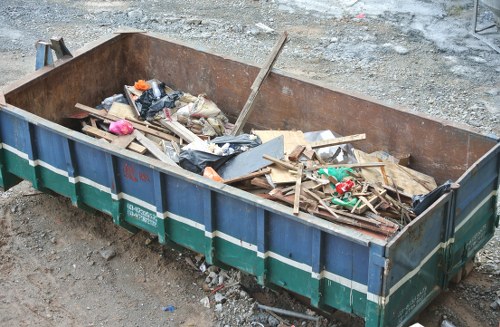 Purpose: This Health & Safety policy sets out the principles and practical measures for all house clearance and rubbish removal activities carried out by our team in the service area. The aim is to protect employees, contractors, visitors and members of the public from harm while ensuring compliant, efficient removal of household waste, bulky items and unwanted materials. This document applies to all clearance projects, whether single-room clear-outs, full-house evacuations, or small-scale commercial rubbish collections.
Scope and responsibilities
All personnel must understand their roles under this policy. Management has the duty to provide safe systems of work, training, and appropriate equipment. Employees and operatives are responsible for following safe working procedures, using personal protective equipment, and reporting hazards. Visitors and clients must be informed of onsite safety rules and kept at a safe distance during loading, sorting and transportation activities.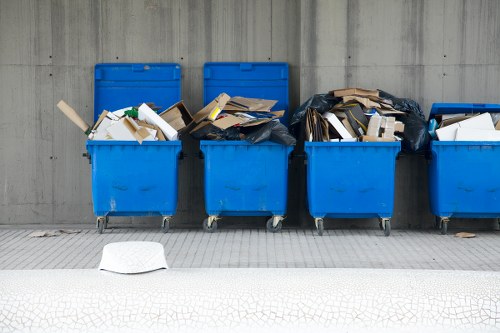 Legal and compliance framework: The company will operate in accordance with applicable health and safety legislation and waste regulations relevant to a professional house-clearance and rubbish company. This includes safe handling of waste streams, appropriate segregation of recyclable and non-recyclable materials, and authorised disposal methods. Regular reviews of legislative changes will be carried out and incorporated into the policy and working procedures.
Risk assessment and safe systems of work
Before each job, a documented risk assessment will identify specific site hazards such as trip and fall risks, manual handling dangers, hazardous materials (sharps, asbestos-suspect materials, chemicals), pests, and structural instability. Controls will include task-based elimination of risks where possible, substitution of hazardous methods, engineering and administrative controls, and use of PPE such as gloves, safety boots, high-visibility clothing and eye protection.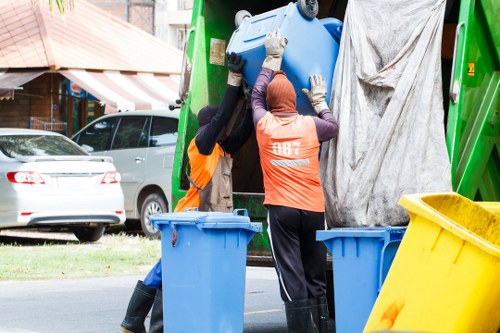 Manual handling and lifting: Manual handling is a core risk during clearances. Employees will be trained in safe lifting techniques and instructed to use mechanical aids (trolleys, sack trucks, hoists) and team lifts for heavy or awkward items. Load limits for lifting and carrying tasks will be established, and breaks scheduled to avoid fatigue. The company will maintain and inspect lifting aids to ensure they are safe for use.
Vehicle safety and loading: Vehicles used for rubbish removal will be maintained under a scheduled inspection regime. Secure loading procedures will prevent shifting of items during transit. Drivers will ensure loads are covered where necessary and comply with weight limits. Repeated checks will be made before departing sites to prevent falling debris and roadside hazards.
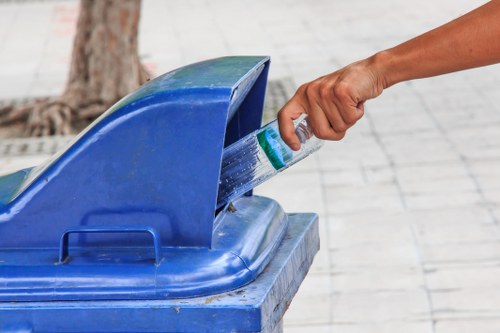
Hazardous materials and segregation: Items suspected of containing asbestos, medical waste, solvents, paints, batteries or other dangerous substances will be identified and handled only by trained staff following specialist procedures. Where removal of hazardous waste is required, authorised carriers and disposal facilities will be used. Clear segregation practices will be applied on-site to maximise recycling and reduce landfill, with labelled containment for recyclables, general waste and hazardous streams.
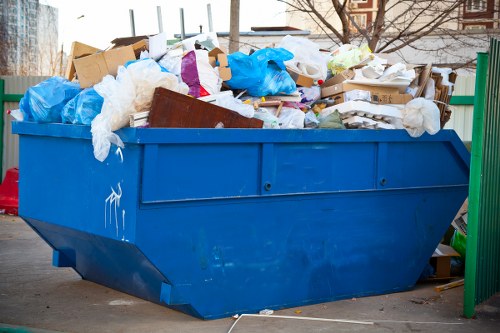 Site control, access and public safety: Each clearance will implement measures to protect the public and neighbouring properties. This can include cordoning off working areas, clear signage, and appointing a supervisor to manage pedestrian flow. Noise, dust and other environmental controls will be applied to minimise disturbance; water suppression, dust sheets and timed operations help reduce impact on neighbours and the wider service area.
 Training, competence and communication: Staff will receive induction training, regular refresher courses, and specific instruction for hazardous tasks. Competence assessments will be recorded and reviewed. A clear reporting structure for incidents, near misses and concerns will be maintained, and toolbox talks or briefings will be used to communicate job-specific risks. All incidents will be investigated to prevent recurrence and to update risk controls as needed.
Emergency procedures and first aid: Emergency arrangements include clear evacuation routes, designated meeting points and trained first aiders. Spill kits and fire extinguishers will be available on larger jobs. Fast access to emergency services is prioritised in all risk planning. Where on-site medical assistance is required, procedures for safe transfer and information sharing will be followed.
Monitoring, review and continual improvement: Regular site inspections and audits will measure compliance with this policy. Performance indicators—such as incident frequency, training completion rates and waste diversion percentages—will be recorded and reviewed by management. The policy will be reviewed at least annually or after significant changes to operations, equipment or legislation. Continuous improvement will be sought by incorporating feedback from staff and operational data.
Commitment: The company is committed to maintaining a high standard of health, safety and environmental performance while delivering professional house clearance and rubbish removal services across its service area. Every member of staff, from management to operatives, has a role to play in preventing harm, protecting the public and responsibly handling waste. By following the principles and procedures set out in this policy, the organisation will reduce risk, improve safety outcomes and provide a reliable, compliant service.
Signed and endorsed by senior management. This policy is a living document and will be made available to staff and relevant contractors as part of our commitment to safe house clearance operations.